

Business
Sporting Halftime Activity Chicken Plus Game During Breaks in UK
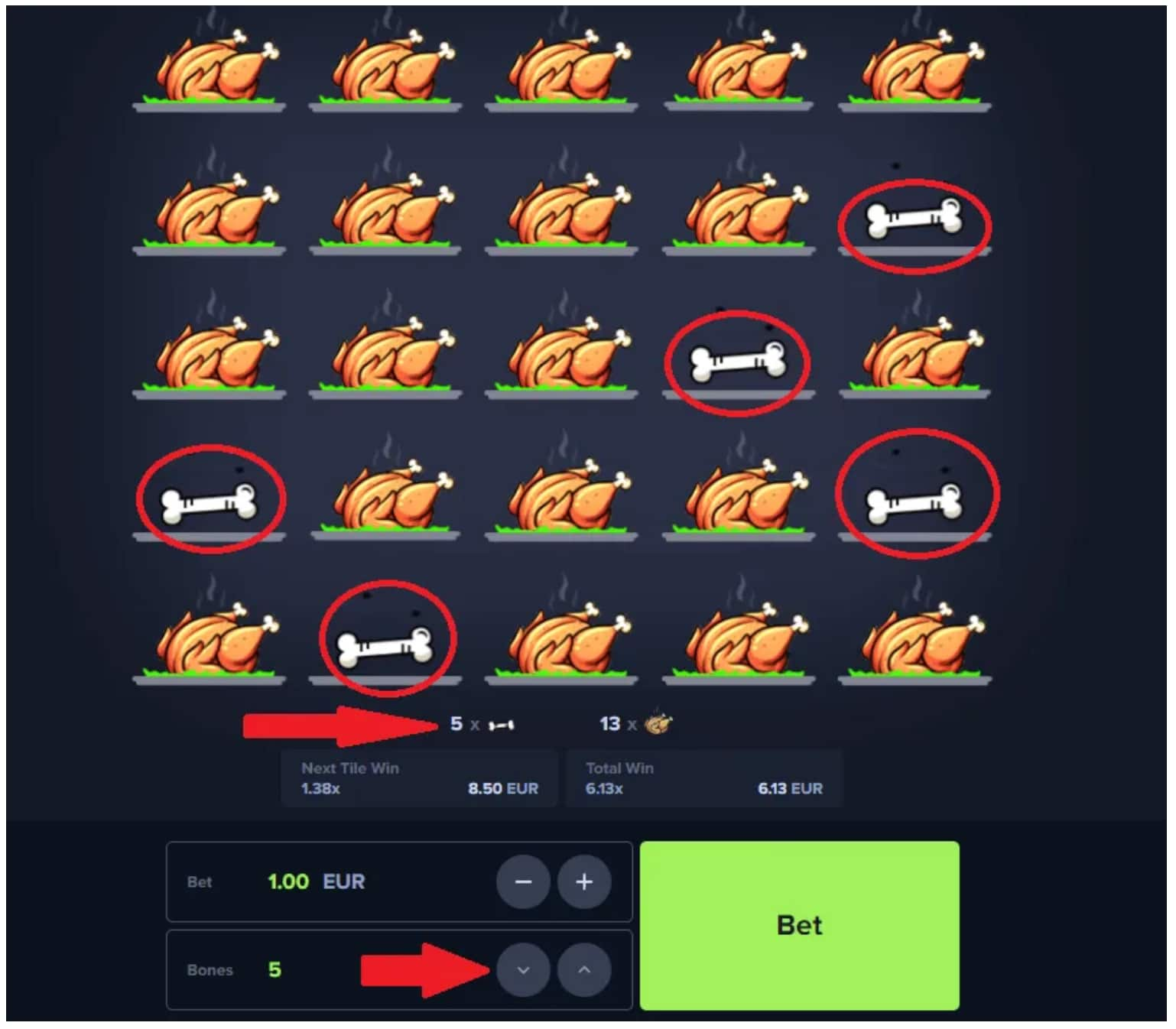
If you track live sports and betting in the UK, you could have spotted something new happening during halftime. That fifteen-minute gap, once just for a brew and some punditry, is now loaded with quick, interactive betting games. The chicken plus Game has become a recognizable part of this shift. It’s not a complex tactical wager. It’s a fast, binary prediction game that slots right into the break. This piece will break down how it works, why it fits so well within the UK’s regulated scene, and the kind of fan it attracts. We’ll look at how it’s integrated, the risks involved, and what makes it tick for its audience.
Understanding the Chicken Plus Game Rules
The Chicken Plus Game is simple. It’s a straightforward proposition bet styled with playful graphics. You view a animated chicken on screen and a multiplier that increases steadily. You have just one decision: cash out or wait. At any random moment, the chicken might lay an egg. If that happens before you cash out, the round concludes and you forfeit your possible win. The objective is to bank your multiplier before that moment comes. Knowledge in sports knowledge plays no role here. It’s a pure test of your composure and decision-making against a unpredictable event. This ease is the main appeal. While halftime football markets need analysis, Chicken Plus provides an instant, adrenaline-hit that doesn’t demand you to understand the teams. The scenes and noises—the rising numbers, the counting clock, the chicken’s antics—are all crafted to heighten the tension. It creates a standalone show that runs in under two minutes, matching the pace of a halftime break exactly.
Comparison to Traditional Halftime Betting
Standard halftime betting in the UK concentrates on markets for the second half. You might bet on the next goalscorer, the correct score, or the number of corners. These bets require some thought. You have to know about team form and tactics. The Chicken Plus Game lies in another category entirely. It demands zero sports knowledge. This isn’t a weakness. It’s a intentional difference. It appeals to a different group of fans—those who want to stay engaged but do not want to analyse the manager’s changes during the break. Also, traditional halftime bets aren’t settled until the match finishes. Your money is tied up. A Chicken Plus round ends in seconds, with an instant result. This immediate nature is a major advantage. It offers a full transaction within the halftime window itself. It caters to a different impulse: the want for instant, resolved excitement, not a long wager that depends on the next forty-five minutes of play.
The Perfect Fit for the Mid-Game Pause
A sports broadcast halftime is about fifteen minutes long. It’s excessive to just watch the screen, but insufficient to begin something else. Chicken Plus bridges that gap ideally. It’s round-based entertainment you can consume in short bursts. Each round runs a minute or two, fitting the rapid pattern of mobile games. For the network or station showing it, the game keeps viewers glued during the ad break. It stops people from changing channels. The game leverages the fan’s current mood. The energy from the first half remains during analysis. Instead, it is channeled into the thrilling, quick payout of a Chicken Plus round. This creates a link straight into the second half. It transforms a dull moment into a opportunity for engagement, directly rivalling other distractions like scrolling on your phone.
Possible Risks and Safe Gambling Considerations
We need to talk openly about the risks associated with this game. The pace, ease, and repeatable nature of Chicken Plus create responsible gambling issues. The fast cycle could lead to quick loss-chasing, a conduct the UKGC is committed to preventing. The game’s structure builds tension and then releases it right away. This can be highly absorbing and possibly harmful for some people. Reputable UK operators need to provide and promote safety tools. These include deposit limits, time-out options, and reality checks for these casino-style games. It’s essential to state plainly that while it’s a fun diversion, it is gambling. Calling it a “game” shouldn’t conceal that fact. Understanding it as a random-chance casino product, not a test of sports skill, is the first step for anyone playing. The very features that make it suited for halftime—its speed and simplicity—are also the ones that require strong personal discipline and setting limits beforehand.
Player Engagement and Mental Involvement
The emotional pull of Chicken Plus is built around well-known behavioral patterns. It leverages the “near-miss” effect and the tension between rising risk and potential reward. Tracking the multiplier climb creates a comparable excitement to watching a football attack build. The act of cashing out gives a sense of control, despite the fact that the core outcome is purely chance-based. For a UK audience familiar with football accumulators and in-play markets, this offers a distinct form of excitement. It’s a simple wager. It eliminates the false sense of making a smart prediction based on knowledge. The game tends to appeal especially with younger audiences who are accustomed to mobile gaming. Its short games and on-screen responses feel natural and quick-moving to them. The premise is straightforward: beat a random event. That low barrier to entry makes it easier to try than understanding Asian handicaps or double chance bets.
UK Market Particulars and Regulatory Context
Each operator presenting the Chicken Plus Game in the UK needs to function within a strict regulatory framework. The UK Gambling Commission determines the guidelines. These mandate unambiguous rules, clear odds, and strict age checks. An important detail: this game runs under a casino license, not a sportsbook license. That differentiation is important for the player. When you engage with Chicken Plus at halftime, you are not gambling on the match. You are enjoying a casino-style game powered by a random number generator. Operators must display it plainly as a game of chance. They cannot hint that skill or sports knowledge influences the outcome. This regulatory openness looks after customers. It also influences how the game is marketed and integrated to sports platforms, commonly in a distinct “casino” or “live games” section. The game’s Return to Player (RTP) percentage must be published, underlining its nature as a chance-based product, unlike the informed world of sports betting.
Linking with Sports Streaming and Applications
For a halftime activity like Chicken Plus to operate, the technical integration has to be seamless. Major UK sports broadcasters and betting apps are now developing these games directly into their streaming or companion apps. Imagine watching a Premier League match on your phone. At halftime, a small prompt or a dedicated “Live Games” section emerges. One tap transfers you from the stadium crowd to the Chicken Plus studio. This easy access is everything. If the user has to close an app, search for the game, and log in somewhere else, the opportunity is lost. The best integrations hold you in one place, using a single wallet and login session. This enables you start playing almost instantly. This approach turns the halftime break into a captive entertainment slot within the platform’s own ecosystem. It increases the time users stay on the app and generates a revenue stream separate from normal ads or sportsbook margins.
What lies ahead for Interactive Halftime Entertainment
The halftime entertainment scene will continue to transform. Games like Chicken Plus are just the opening salvo of integrated, interactive content. What comes next could involve more personalisation. Operators may give loyalty points or free rounds according to your viewing history. They could create themed versions linked to specific sports or tournaments. The blending of streaming, gaming, and gambling is likely to become deeper. Broadcasters could even test non-money versions to pull in a broader audience. But regulatory watchdogs are keeping a closer eye too. The job for operators is to innovate while operating squarely under the UK’s consumer protection laws. They must ensure engagement isn’t achieved at the cost of player safety. The halftime break is becoming a new fight for audience attention. Quick-fire games are now players on that pitch, but their future depends on models that are both captivating and ethical.
Reaching an Educated Selection as a UK Punter
If you happen to be a UK sports fan considering attempting this halftime activity, you need to make an informed choice. First, check the operator has a valid UKGC license. Second, intentionally detach your sports betting mindset from this. Set aside a specific, small amount of money for it, completely separate from your sportsbook funds. Use the responsible gambling tools available. Establish a deposit limit before you begin. Think of it strictly as paid entertainment, like buying a pint during the break. It is not a way to make money. The house edge is built in, just like any other casino game. If you define these boundaries, you can enjoy the tense fun of the game as the designed spectacle it is. It shouldn’t spoil your enjoyment of the sport or your finances. See it as a modern halftime snack, not the main meal. Judge it by the entertainment you receive for your pound, not by the potential returns, which are mathematically stacked in the operator’s favour over time.
The Chicken Plus Game illustrates how halftime habits are shifting for some UK sports fans. It delivers a fast, casino-style engagement that’s different from traditional sports betting. Its success comes from being simple and perfectly timed for the broadcast break. But within the UK’s strict regulatory system, it must be recognised for what it is: a game of chance. For those seeking a controlled burst of excitement, it serves the job. Its fast pace, however, underscores how important it is to manage your money carefully and use the protective tools on offer. In the end, it’s a designed entertainment product that capitalises on a captive audience. It reflects the wider trend where live sport, gaming, and interactive digital content are merging together.